
Bagasse vs Plastic Food Containers: When Compostable Packaging Makes Sense for Takeaway
Oct 15, 2026
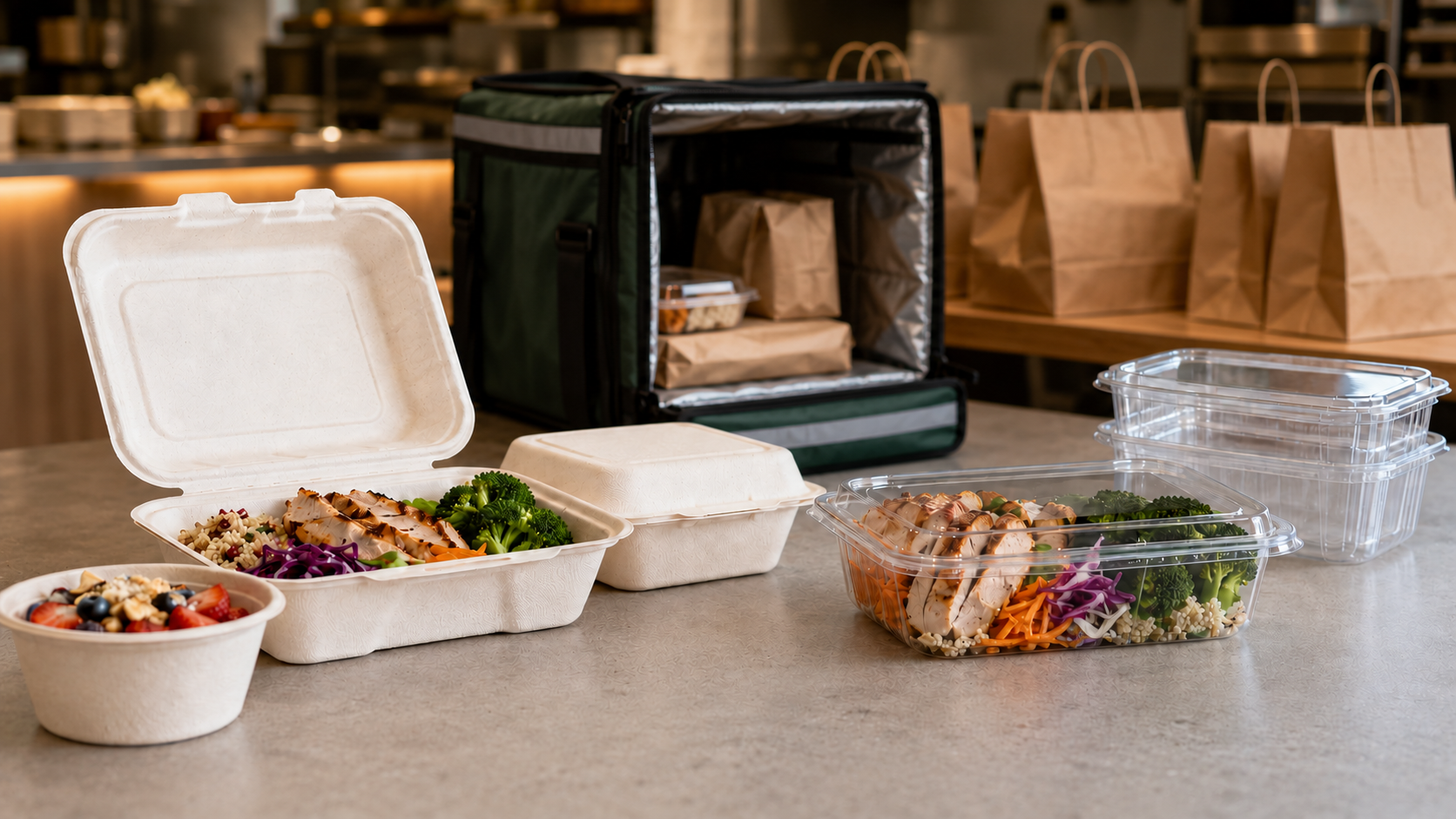
Shenzhen, Guangdong Oct 14, 2026 (Issuewire.com) - Bagasse and plastic food containers solve different takeaway problems. The better choice depends on the menu, holding time, lid and sealing requirements, target-market rules, end-of-life system and total packaging cost. Bagasse is especially attractive when buyers want a rigid molded-fiber format for hot meals and a credible compostability pathway for the finished SKU; plastic can still be practical for applications where transparency, tight moisture barriers or very low unit cost dominate the decision. When Bagasse Makes the Most Sense Bagasse is a strong candidate when a restaurant, distributor or food brand needs a rigid takeaway format for hot entrees, rice meals, pasta, catering trays or compartment meals. The fiber structure can provide useful stiffness and presentation, while different barrier options can be selected for grease, moisture, sealing or temperature demands.
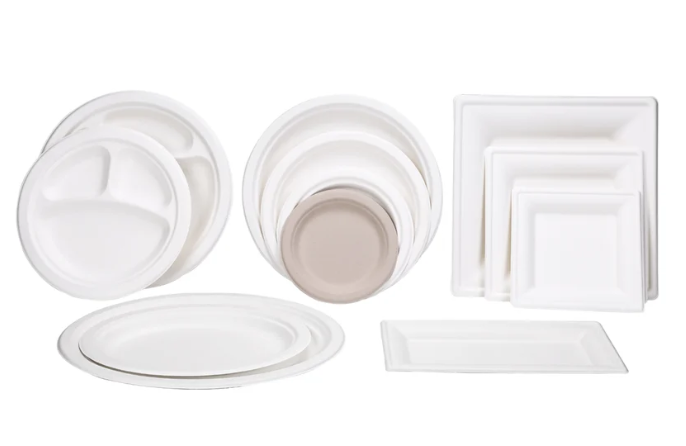
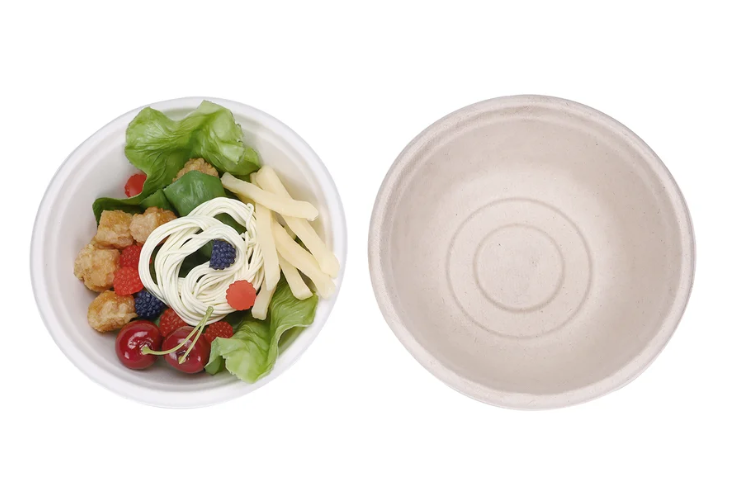
It also makes sense when the buyer has a defined compostability objective. That decision should be based on the finished product, including coatings, laminations, inks, adhesives and lids, and on whether suitable collection and composting infrastructure exists in the target market. Bagasse fiber alone does not make every finished pack home compostable. When Plastic May Still Be the Practical Choice Plastic can remain practical for chilled foods, applications requiring clear visibility, high-moisture products needing a very strong barrier, or price-sensitive programs where the local waste system already supports the selected polymer. The key is to compare a real plastic SKU with a real bagasse alternative instead of assuming that one material is universally better. For some buyers, the most efficient transition is therefore not a full material replacement. Start with the menu items where heat, presentation, plastic-reduction goals or customer expectations create the clearest value, then expand after operational testing. Match the Structure to the Food, Not the Material Label Hot, oily or sauce-heavy meals: test deformation, leakage, grease resistance and lid fit over the real holding time. Fried foods: assess condensation, venting and texture retention rather than assuming one material keeps food crisp. Soups and liquid-heavy dishes: evaluate the complete bowl-and-lid system, not the container base alone. Delivery programs: run loaded stack and transport simulations using the actual meal weight and delivery time. Microwave or reheating applications: use only SKUs specifically validated for the intended temperature and heating method. Standard, Coated and Laminated Bagasse Are Different Choices A standard molded bagasse item is not the same as a barrier-coated or laminated structure. Depending on the project, additional barrier systems may improve oil, moisture, sealing or temperature performance. Laminated bagasse may use structures containing PLA, PET, CPET or EVOH where appropriate. Those structures should not automatically inherit the same compostability or recycling claim as an unlaminated fiber item. Compare Total Packaging Cost, Not Only Unit Price A bagasse container can carry a higher purchase price than a commodity plastic equivalent, but the decision should include more than cents per piece. Procurement teams should compare carton count, freight efficiency, storage volume, lid compatibility, failure risk, customer requirements, local disposal fees and the cost of running parallel packaging lines. A cheaper unit price can lose its advantage if the pack leaks, deforms, requires emergency replacement or creates a compliance problem in the destination market. For a transition program, the most useful commercial test is a controlled pilot. Select one or two high-volume menu items, run the bagasse option through kitchen filling, holding, delivery and customer-use conditions, and compare results with the current plastic pack. Only after performance, packing efficiency and cost are understood should the new material be rolled out across more SKUs. How Grizzlies Helps Buyers Plan a Targeted Transition Grizzlies has 15+ years of OEM/ODM manufacturing experience, 11 production bases, 280+ automated machines and capacity of up to 200 -- 40HQ per month. For restaurant chains, importers and private-label buyers, that scale supports both standard programs and customized molded-fiber projects. Buyers can review the Grizzlies bagasse tableware range (https://www.grizzliesind.com/collections/bagasse-tableware) and compare plates, bowls, trays, clamshells and food containers before deciding which plastic SKUs should be replaced first.
OEM/ODM projects can also address custom molds, compartment layouts, embossing, barrier structures, lids and private-label packing. A Better Decision Rule for Takeaway Packaging Use bagasse when its combination of rigidity, fiber-based positioning, available barrier options and verified end-of-life claim creates a clear advantage for the actual menu and market. Keep or compare plastic where the application depends more heavily on transparency, specialized sealing, local recycling compatibility or very low unit cost. Then validate both options with real food before scaling. For a material-transition review, buyers can send the current container specification, menu application, monthly volume and destination market to Grizzlies (https://www.grizzliesind.com/) or contact the technical team (https://www.grizzliesind.com/pages/contact-us) to request samples, structural recommendations and a factory-direct quotation.
Source :Shenzhen Grizzlies Industries Co.,LTD
This article was originally published by IssueWire. Read the original article here.
YOUR NEWS, OUR NETWORK.
Do you have Great News you want to tell the world?
Be it updates about your business or your community, you can make sure that it’s heard by submitting your story to our network reaching hundreds of news sites across 6 verticals.
More News
![aritcles[0].caption](https://www.kentonline.co.uk/_media/img/330x0/QO6P3TESD4T74ZXOUP1E.jpg)
Recipe of the Week: ‘Crispy crackling gives way to tender, melt-in-the-mouth pork’
Ideal if you're having visitors round this weekend, try this roast pork from John Torode and Lisa Faulkner.

Abundance or extinction? We can still influence AI’s outcome, but not for long
There are two very distinct narratives emerging about AI right now, and they’re both getting more extreme.

‘£25 is no deterrent’: Bid to double parking fines as towns hit by illegal parking
Calls are being made to double parking fines amid claims a current £25 charge is failing to deter illegal parking in Kent towns.

Dad who repeatedly punched helpless man outside pub spared jail
A “drunken thug” who broke a man’s jaw in an unprovoked pub attack has avoided jail after a judge said he could make his life “very unpleasant”.

Decision delayed on 85-home estate amid concerns developer being ‘spoon-fed’
A decision on plans for 85 homes has been delayed, sparking concerns a council is “spoon-feeding” developers on the information it requires.

‘He gave it his everything’: Tributes to ‘amazing’ scouting leader who inspired thousands of children
A much-loved Cubs leader who devoted 40 years to helping children learn new skills has died following a short battle with cancer.

I finally tried the tempting £10 bagel at Faversham tearoom - was it worth the wait?
A cafe’s £9.95 salt beef bagel had been tempting our reviewer for months, so she finally gave in to see whether it was worth the wait…

Mum’s jewellery ‘goes missing’ at care home and wedding ring replaced with ‘plastic fake’
A daughter wants answers after her mother's wedding and engagement rings worth £10k ‘vanished’ within weeks of being admitted to a care home.

‘They just came and shot it’: Rescuer’s heartache over stray pig’s death
A stray pig was shot dead before it could be rescued following a council’s decision to put it down for “animal welfare and public safety reasons”.

Queensland landlord's nightmare as squatter moves into property after paying outgoing tenant $3,000 for the keys - and police won't remove her
A Queensland landlord has been left fighting to reclaim her property.

Greens Senator Jordon Steele-John takes leave after party members demand investigation into alleged conduct towards women
A Greens Senator has taken leave from the party, following allegations of misconduct towards women.

Dear Anthony Albanese from a family trying to survive - we employ 19 local people and this is the brutal reality of your new proposed tax
An Aussie business owner has issued an open letter to Anthony Albanese.